
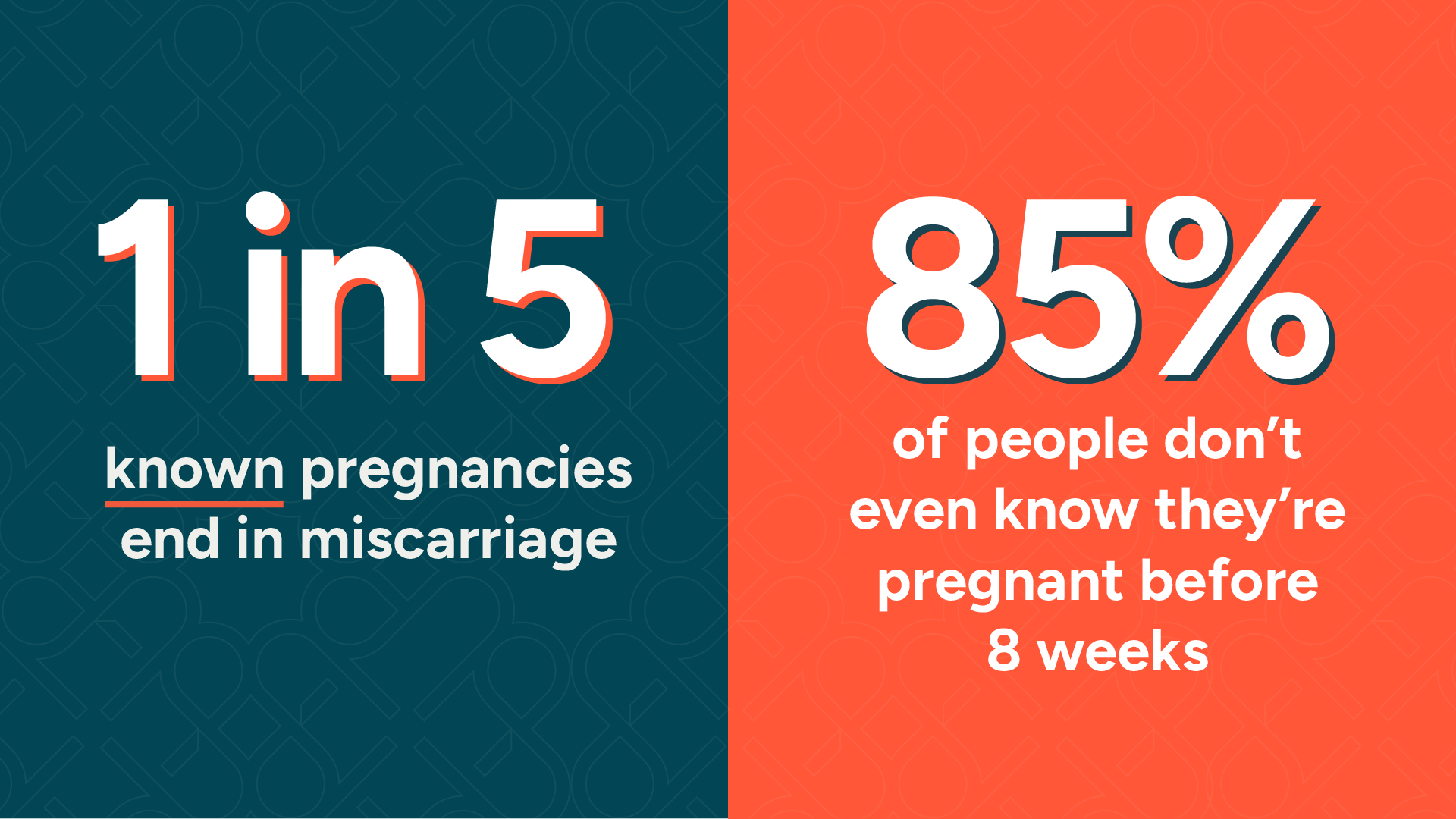
Miscarriage is one of the most common complications of pregnancy. About 1 in 5 known pregnancies end in miscarriage, and for many patients, medical treatment is necessary to safely manage the loss. But new research suggests that abortion restrictions are increasingly affecting the care patients receive during miscarriages, not just abortions themselves.
A new national study published in JAMA found that in states with abortion bans at or before six weeks of pregnancy, patients experiencing miscarriages were less likely to receive the evidence-based medication regimen considered standard medical care: mifepristone and misoprostol together. That same medication combination is also used in medication abortion.
As a result, researchers found that providers in abortion-ban states were more likely to shift toward:
- “Expectant management” (waiting for the miscarriage to happen naturally)
- Misoprostol-only treatment, which is generally considered less effective than the combined regimen
- Delayed intervention due to legal uncertainty or fear of liability
What the Study Found
Researchers examined medical claims data from 123,598 patients who experienced miscarriages before 10 weeks of pregnancy between 2018 and 2024.
Among the findings:
- States with abortion bans saw a 2.2% decrease in medication management for miscarriage care
- There was a 2.8% increase in expectant management, meaning patients were more likely to be told to wait for the miscarriage to occur naturally
- Among patients who did receive medication treatment, states with abortion bans had a 13.8% increase in use of misoprostol alone instead of the evidence-based two-drug regimen
Researchers noted that this can mean:
- Longer periods carrying a nonviable pregnancy
- Increased risk of infection or hemorrhage
- Delayed treatment
- More emotional distress during pregnancy loss
Dr. Maria Rodriguez, the study’s lead author and an OB-GYN at Oregon Health & Science University, summarized the issue directly “Pregnancy care is a continuum.”
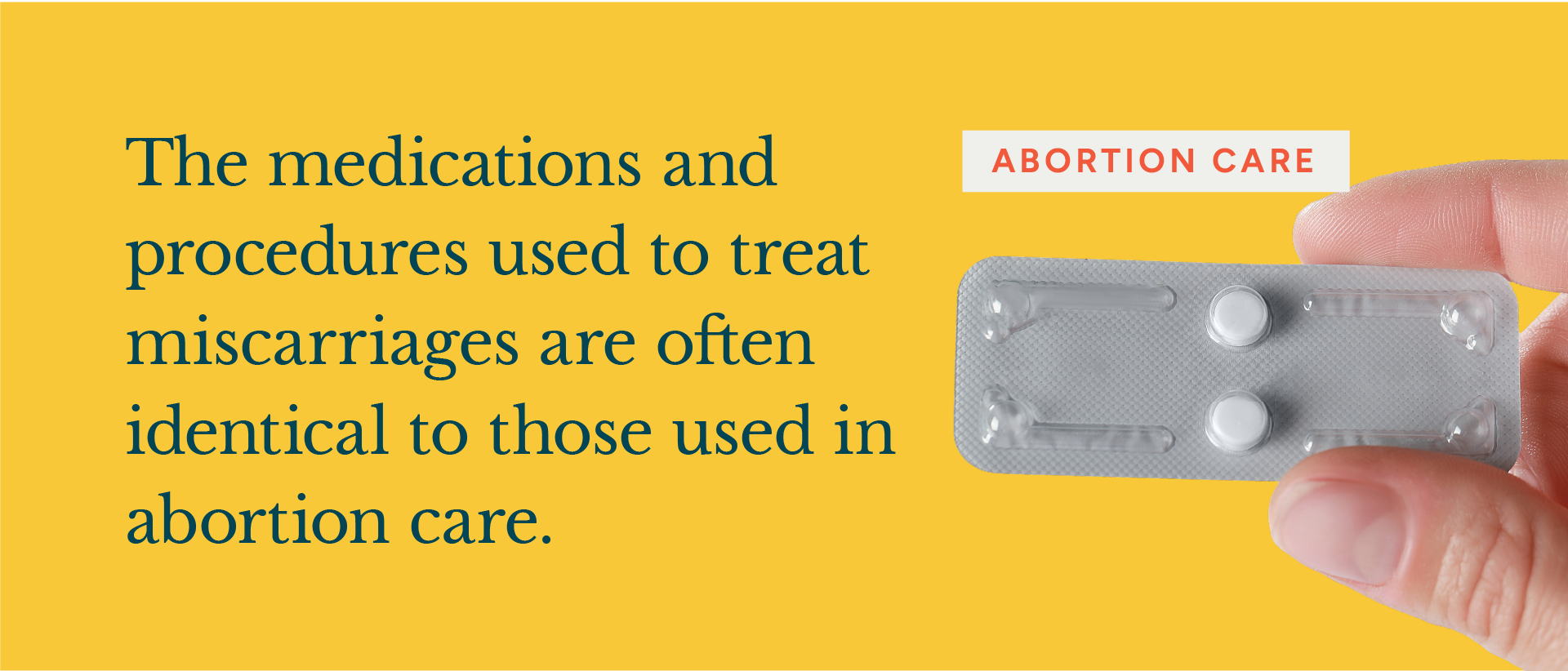
The medications and procedures used to treat miscarriages are often identical to those used in abortion care. When laws restrict one area of reproductive healthcare, the effects can extend into miscarriage management, emergency obstetric care, and maternal health more broadly.
Read more from The 19th*, and see the full study in JAMA.
Why Mifepristone Matters in Miscarriage Care
Mifepristone is FDA-approved and has been used in the United States for more than two decades. Major medical organizations including:
- the American College of Obstetricians and Gynecologists (ACOG),
- the World Health Organization (WHO),
- and the National Academies of Sciences
have consistently found medication abortion and the medications used in miscarriage care to be safe and effective when used appropriately.
Research has shown that the combined use of mifepristone and misoprostol is more effective for managing early pregnancy loss than misoprostol alone.
Yet because these medications are associated with abortion care, some providers and hospital systems in restrictive states have reported uncertainty around prescribing them, even for miscarriages and other medically necessary situations.
Iowa’s 2026 Legislative Changes
During Iowa’s 2026 legislative session, lawmakers passed additional restrictions related to medication abortion into law, including new regulations tied to abortion-inducing drugs, reporting requirements, and telehealth access.
Supporters of these restrictions often frame them around safety and oversight. However, medical organizations and reproductive health experts have raised concerns that increased legal complexity and liability can affect how providers approach miscarriage care as well, especially in emergency or time-sensitive situations.
This concern is particularly significant in Iowa, where:
- large portions of the state already lack OB-GYN access,
- maternity care deserts continue to grow,
- and rural hospitals face ongoing workforce shortages.
When providers face uncertainty around laws involving medications used in both abortion and miscarriage treatment, delays in care can follow.
Miscarriage Care Is Not Separate From Reproductive Healthcare
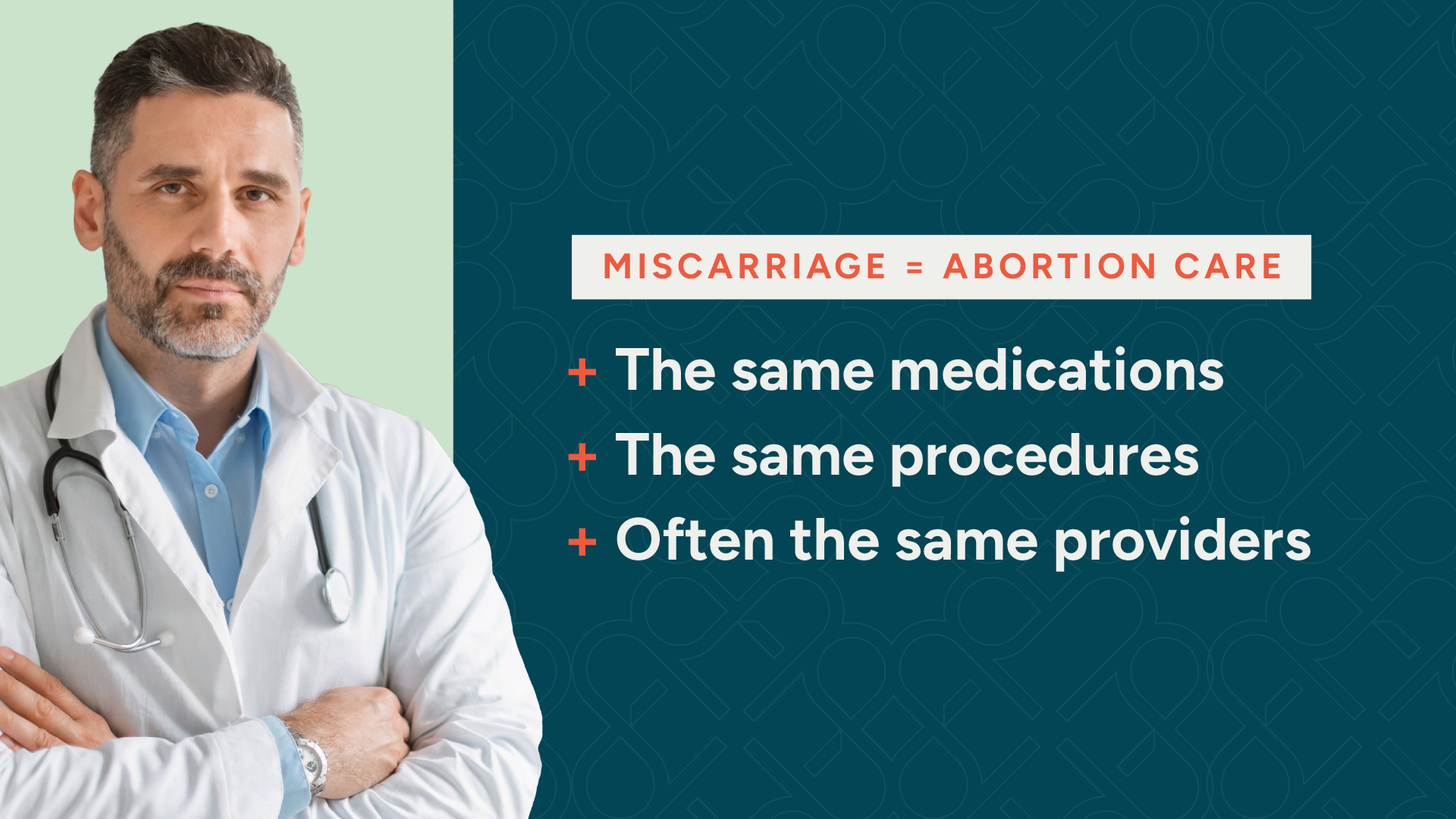
One of the major findings from recent research is that miscarriage care and abortion care cannot be cleanly separated medically.
The same medications.
The same procedures.
Often the same providers.
That means policies aimed at abortion access can also influence:
- miscarriage treatment,
- emergency pregnancy care,
- and how quickly patients receive medically appropriate intervention.
A growing number of physicians have reported situations where patients with nonviable pregnancies were asked to wait until symptoms worsened before intervention could occur because providers feared violating unclear laws or institutional policies.
The Bigger Picture
For many people, abortion policy can feel abstract or political. But miscarriage is common, and the medical systems involved in miscarriage management affect families across every community and political background.
The emerging research suggests that restrictions on abortion medications do not remain isolated to abortion alone. They can influence how physicians treat pregnancy loss, how hospitals manage risk, and how quickly patients receive care during already traumatic situations.
Understanding those connections is becoming an increasingly important part of understanding maternal healthcare in Iowa and across the country.
Sources & Further Reading
For more reproductive rights information and updates on Iowa healthcare access, visit our resources page or sign up for our newsletter.
Empower change.
Sign up for our newsletter and stay informed on reproductive healthcare issues in Iowa.